
Residential service
Generator hookup in Houston
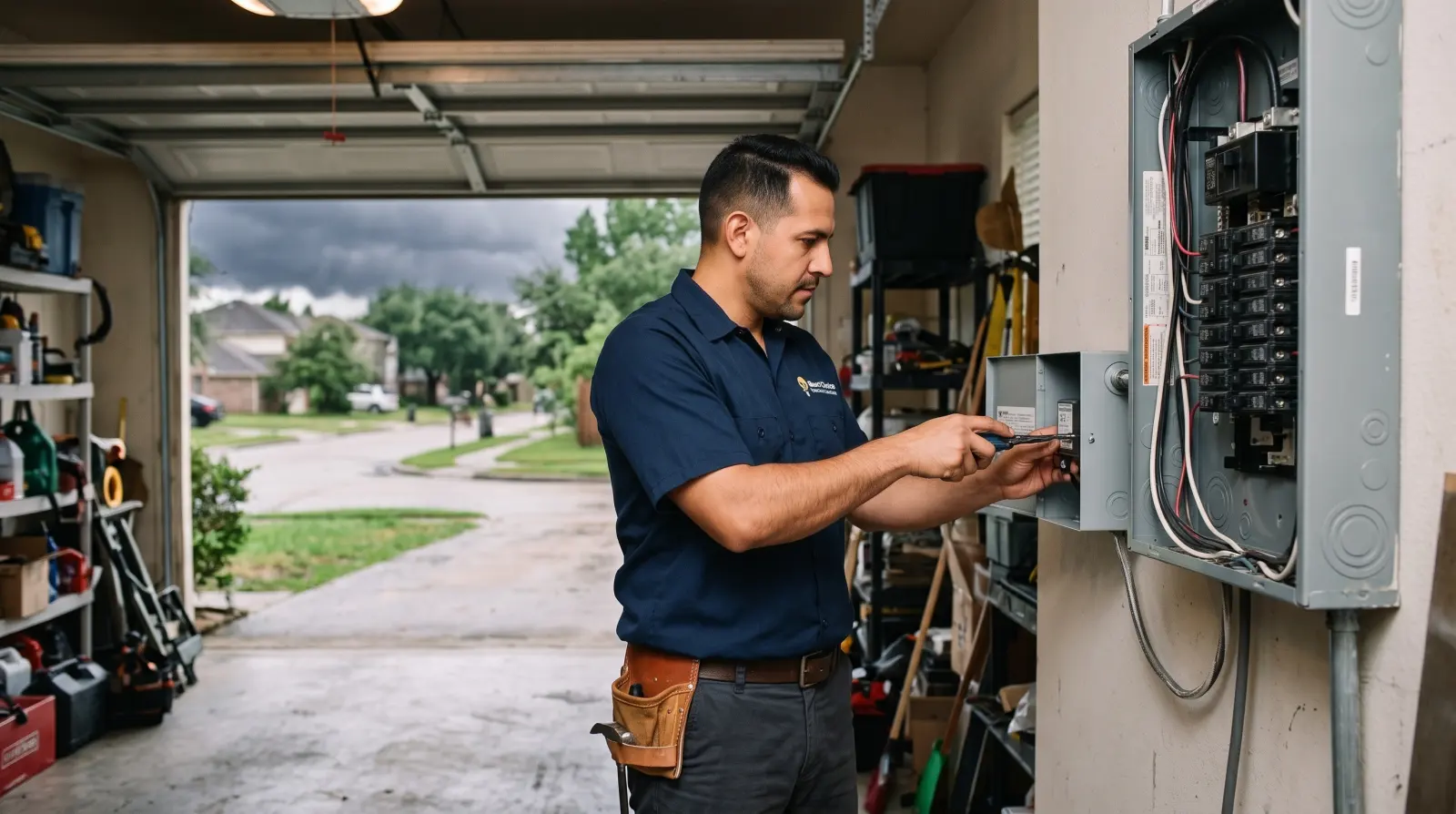
When the grid goes down, a generator only helps if it is connected correctly. We install the inlet and the transfer equipment that let you power your home safely.
What a generator hookup is
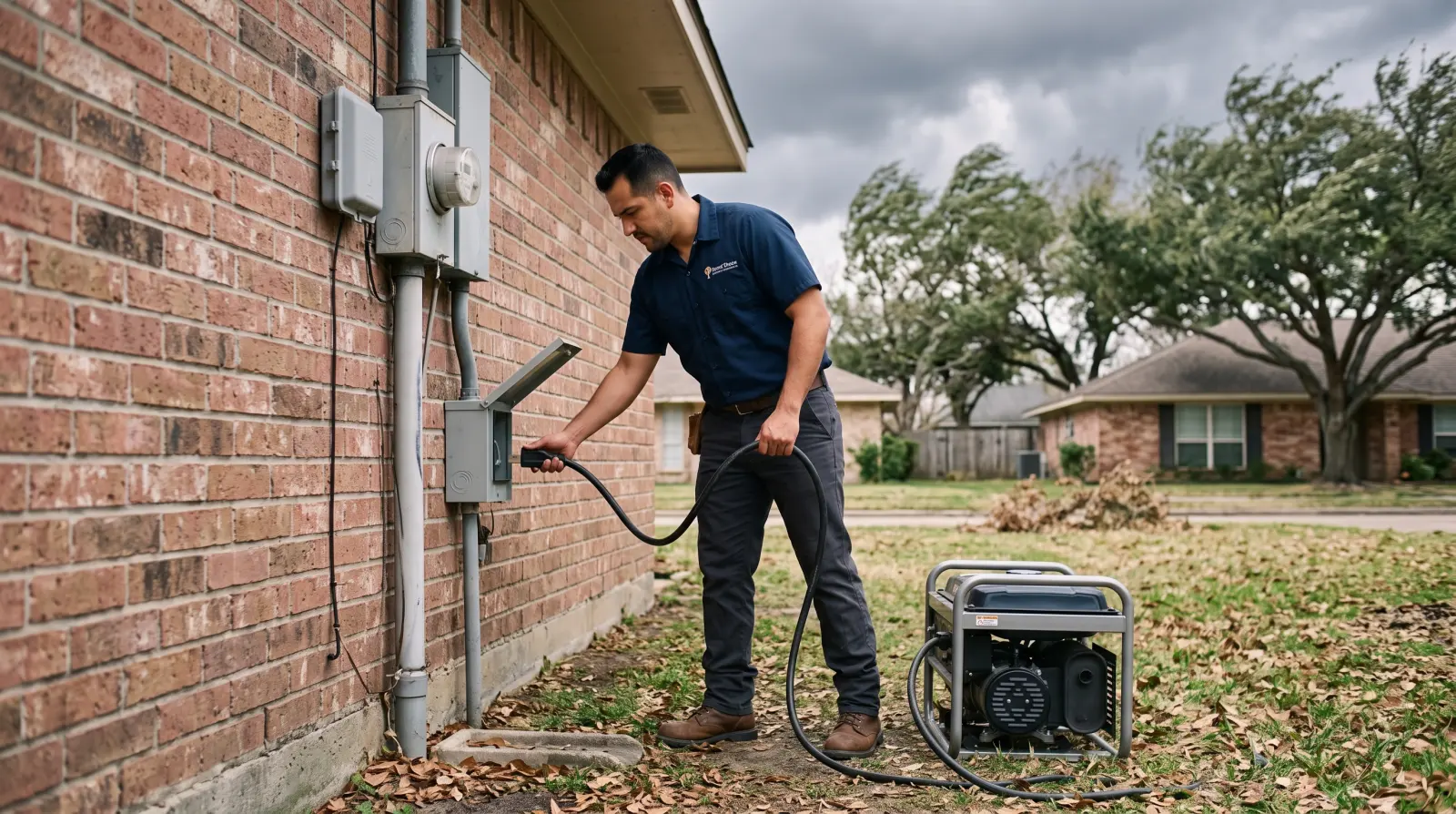
A generator hookup is the electrical connection between a generator and your home's panel. For a portable generator, that means a power inlet on the outside of the house and an interlock kit or a manual transfer switch at the panel. For a standby generator, it means an automatic transfer switch that starts the generator and moves the load when utility power fails.
The transfer equipment does one critical job: it makes it impossible for the generator and the utility to feed the panel at the same time. Without it, a generator can send power back out to the street, which endangers line workers and can destroy the generator when power returns.

When to call us
- You own a portable generator and run extension cords through a window during outages.
- You want to run the refrigerator, lights, fans or a window unit from your panel.
- You are buying a standby generator and need the electrical side installed.
- Someone in the home depends on powered medical equipment.
- Your generator was connected with a cord that plugs into a dryer or wall outlet. That is unsafe and should be corrected.
How the work goes
What you want to power
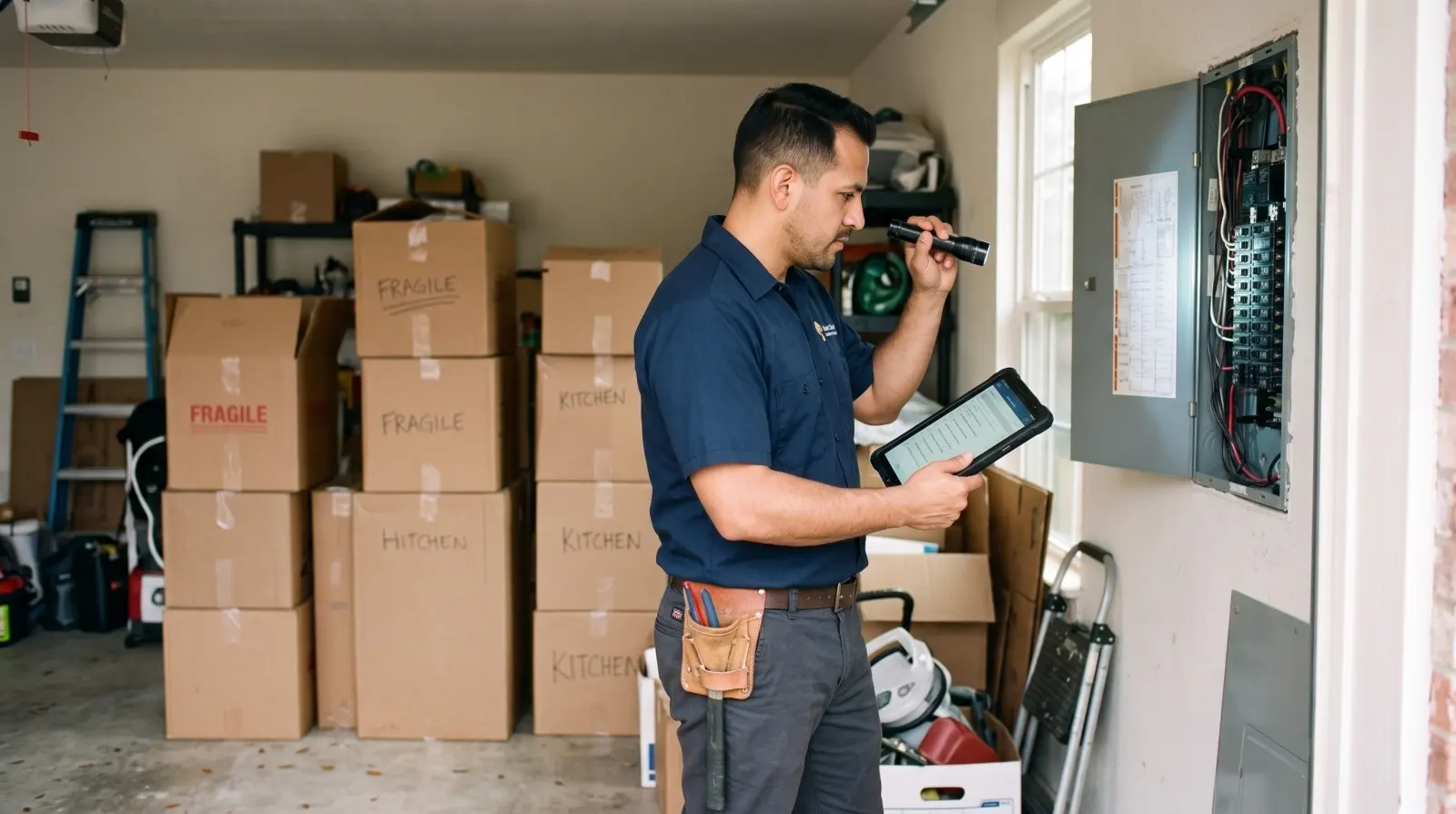
We list the circuits you need during an outage and compare them with the size of your generator.
Estimate
You get a written price for the inlet, the transfer equipment and the installation.
Permit
We file the electrical permit.
Installation
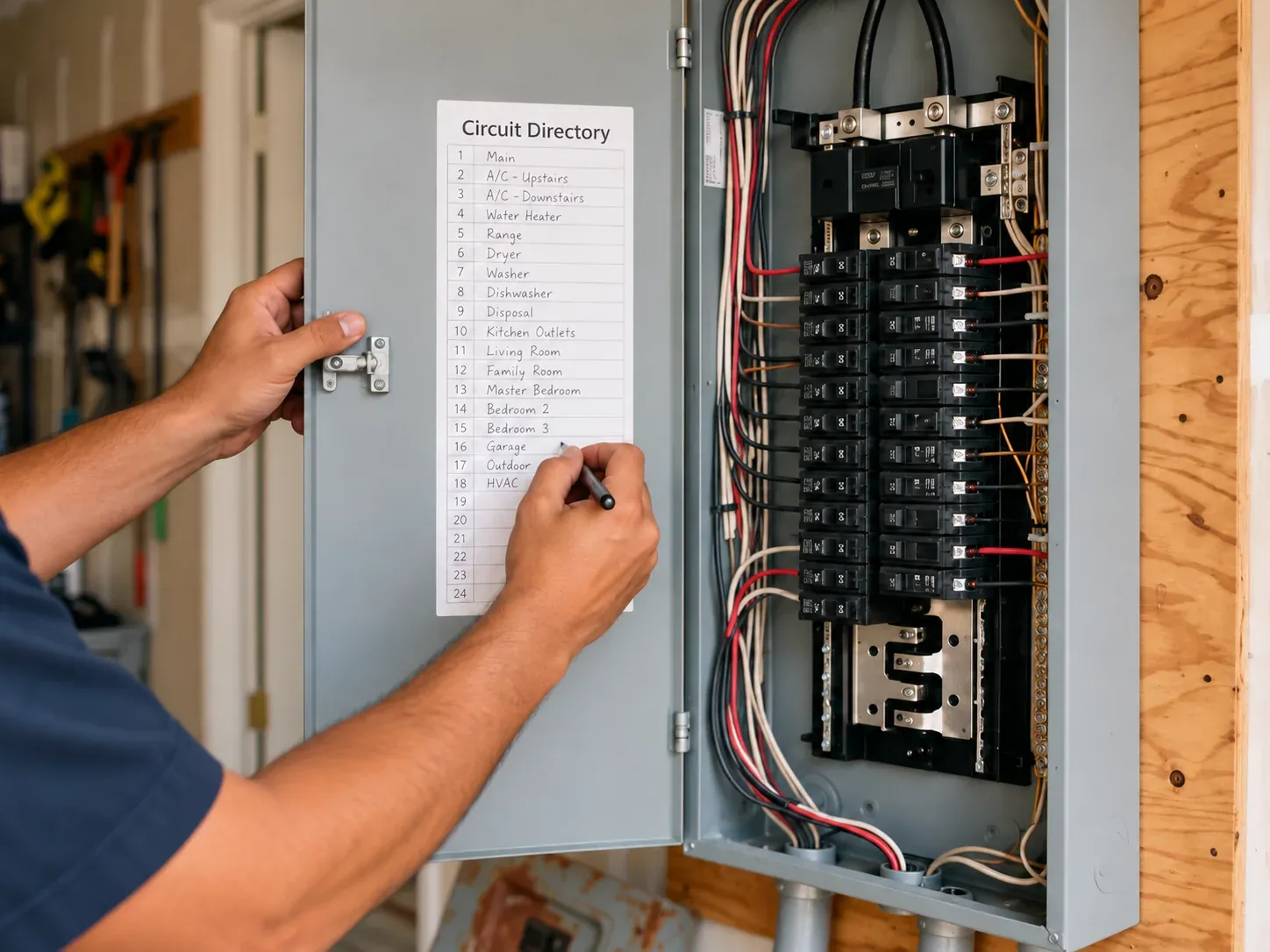
We mount the power inlet, install the interlock or transfer switch, and label the circuits to use on generator power.
Walk-through
We run through the switch-over with you step by step so you can do it alone, in the dark, during a storm.
How long it takes
An inlet and interlock for a portable generator is typically installed in half a day. A standby generator with an automatic transfer switch takes longer and is scheduled around the generator delivery and the gas connection.
Permits and inspections
Yes, a permit is required. Connecting a generator to your home's wiring needs an electrical permit and an inspection. Standby generators usually need a separate permit for the gas line.
What affects the price
The price depends on how the generator connects and what your panel allows:
- Interlock kit versus manual transfer switch versus automatic transfer switch.
- The size of the generator and of the inlet.
- The distance between the inlet location and the panel.
- Whether your panel brand and model accepts a listed interlock kit.
- Whether the panel needs repairs or an upgrade first.
Frequently asked questions
What is the difference between an interlock and a transfer switch?
An interlock is a mechanical plate on your panel that lets either the main breaker or the generator breaker be on, never both. A transfer switch is a separate device that moves selected circuits to generator power. Both prevent back-feeding.
Can I plug my generator into a dryer outlet?
No. That back-feeds the panel with nothing to stop power from reaching the utility lines. It is dangerous and against code.
Can a portable generator run my whole house?
Usually not everything at once. Most portable generators run selected circuits. We help you choose which ones based on your generator's wattage.
Do you install standby generators?
We install the electrical side: the transfer switch and the connection to your panel. Ask us about your generator model when you call.