
Residential service
Home electrical inspection in Houston
A licensed electrician checks your panel, wiring, grounding and devices, and tells you in plain language what is safe, what is not, and what can wait.
What an electrical inspection is
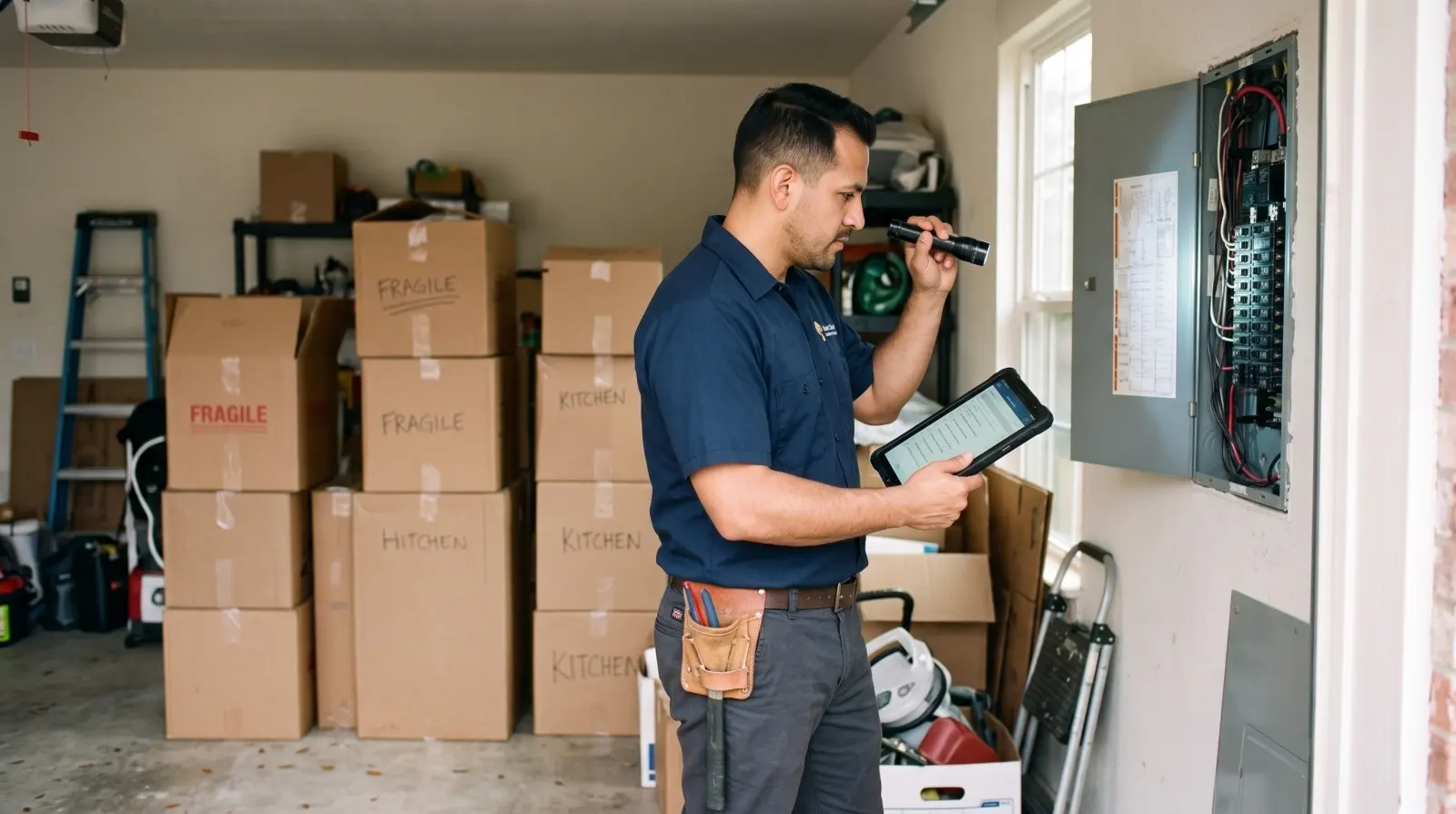
An electrical inspection is a systematic check of your home's electrical system by a licensed electrician. It goes deeper than the electrical section of a general home inspection: we open the panel, identify the wiring type, test outlets and protection devices, and look at the service and the grounding.
You receive a written list of findings, ordered by priority: safety hazards first, then code issues, then recommended improvements.

When to get one
- You are buying or selling a home.
- The home is more than 40 years old and has never been checked.
- A home inspector flagged the panel or the wiring.
- Your insurance company asked for one.
- You are planning a remodel, an addition, a pool or an EV charger.
- The home went through flooding or storm damage.
- You notice flickering, warm outlets or frequent trips.
What we check
Service and meter
The service entrance, the meter base and the main disconnect.
Panel
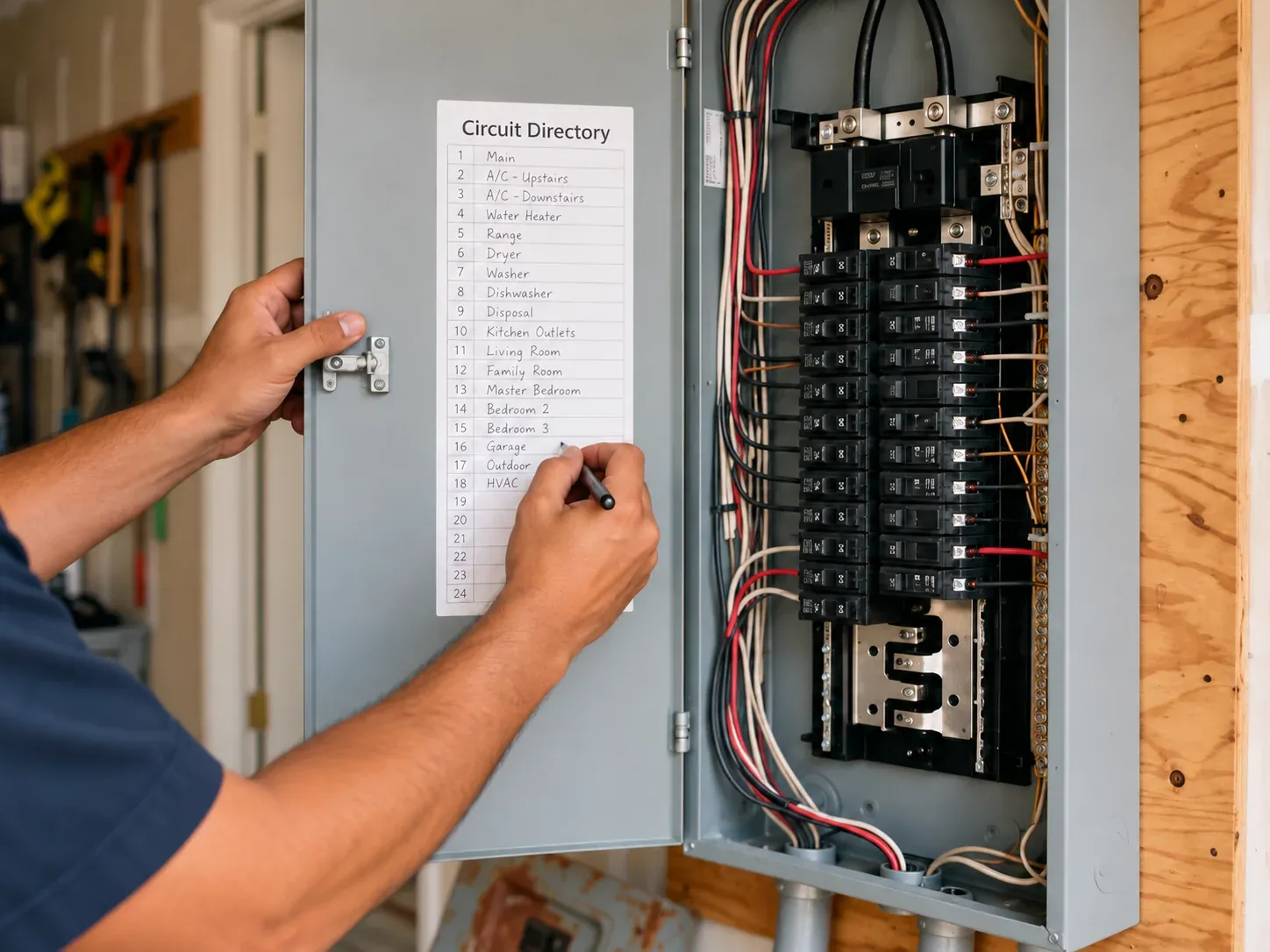
Brand and age, breaker sizes against wire sizes, connections, signs of heat, corrosion and double taps.
Wiring
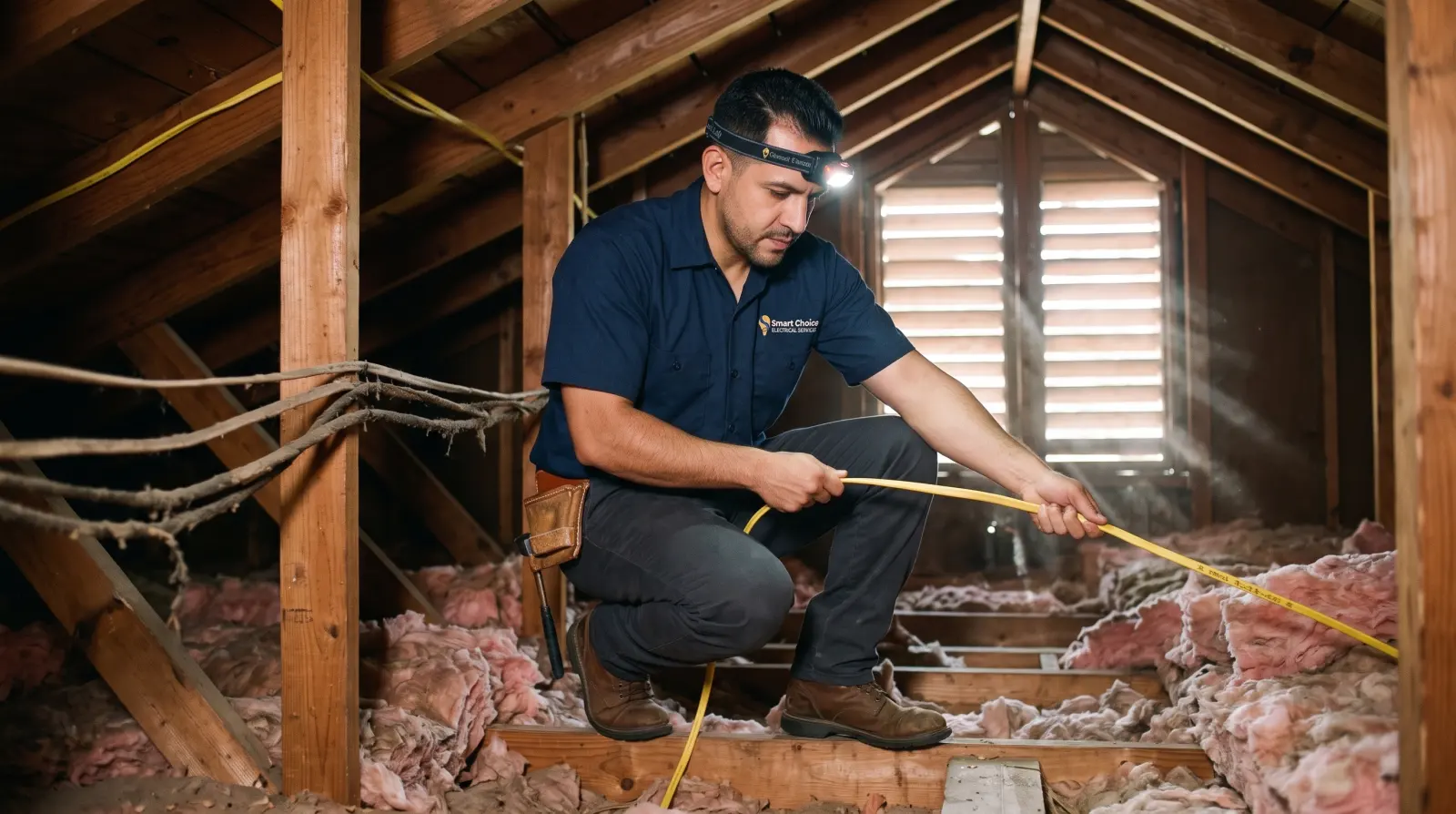
The type and condition of the wiring, checked at the panel and in the attic.
Grounding and bonding
The grounding electrode, and the bonding of water and gas piping.
Outlets and protection
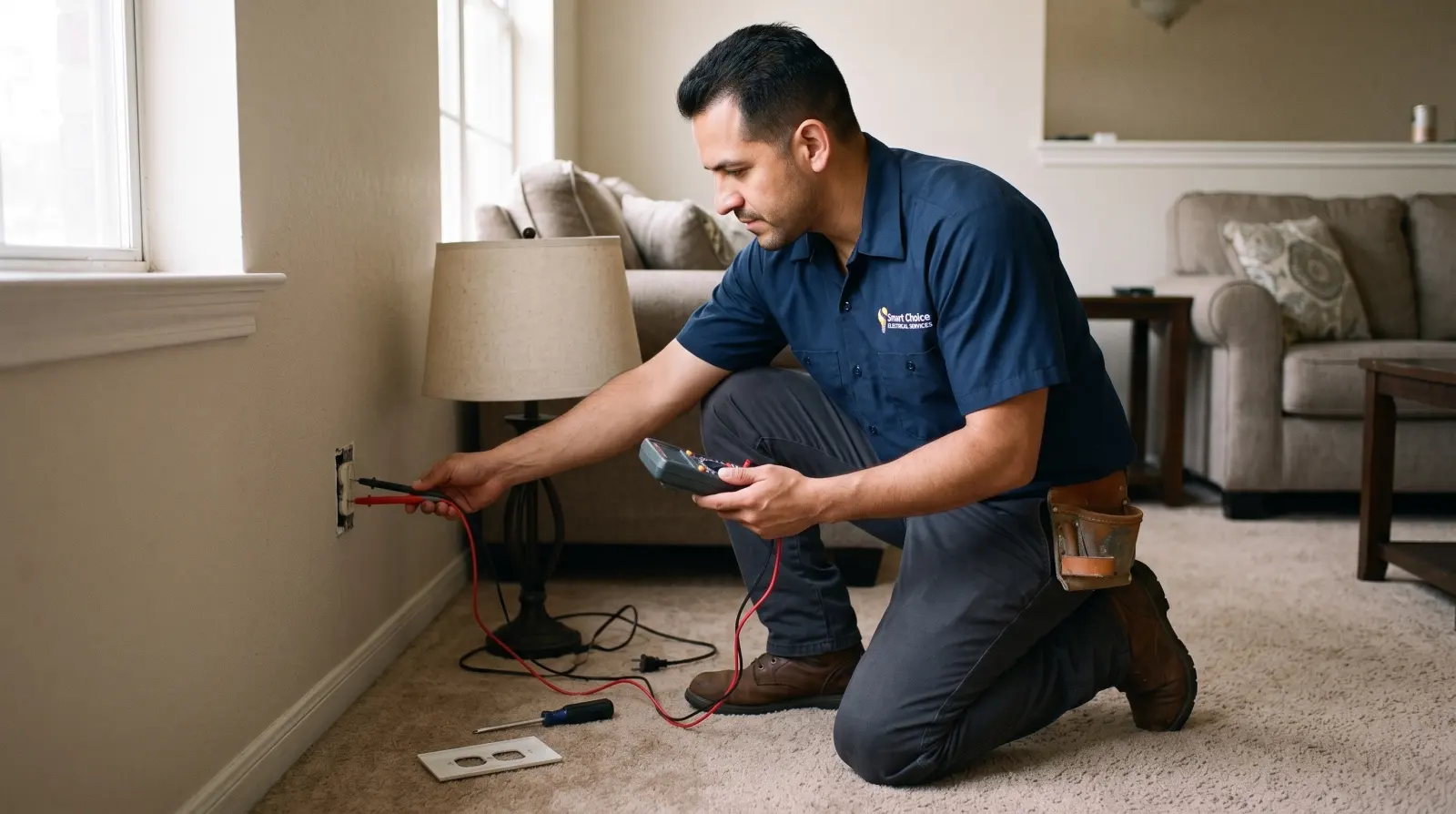
A sample of outlets for correct wiring, plus GFCI and AFCI protection where code requires it.
Report
A written list of findings by priority, which we go over with you.
How long it takes
Typically one to two hours for an average-size home. Larger or older homes take longer.
Permits and inspections
An inspection by an electrician does not need a permit. It is separate from the city inspection that follows permitted work. If repairs that need a permit come out of it, we handle those.
What affects the price
An inspection is priced by the size and complexity of the home:
- Square footage and the number of panels.
- Attic and crawl-space access.
- Outbuildings, pools and detached garages.
- Whether you need a written report for a sale or for insurance.
Frequently asked questions
How is this different from a home inspection?
A home inspector looks at the whole house and notes visible electrical concerns. An electrician opens the panel, tests the system and can tell you what a repair involves.
How often should a home's electrical system be inspected?
Before buying, after major storm or flood damage, before a remodel, and periodically in older homes. Any warning sign, such as burning smells or warm outlets, is a reason to do it now.
Will you give me a price for the repairs?
Yes. The report lists the findings, and we give you a written estimate for the items you want addressed.
Do I need to be home?
Someone needs to give us access to the panel, the attic and the rooms. We also like to go over the findings in person.